Sep, 2026
Journal article
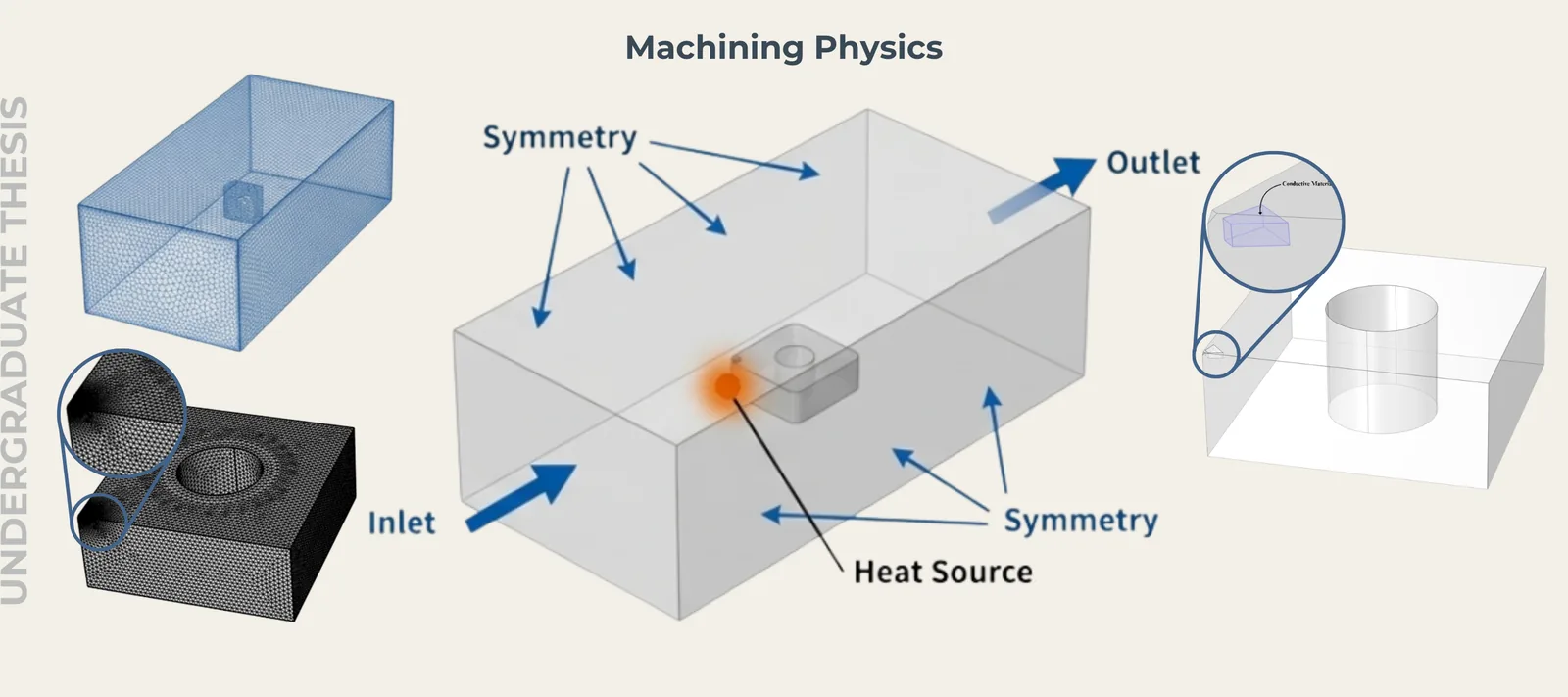
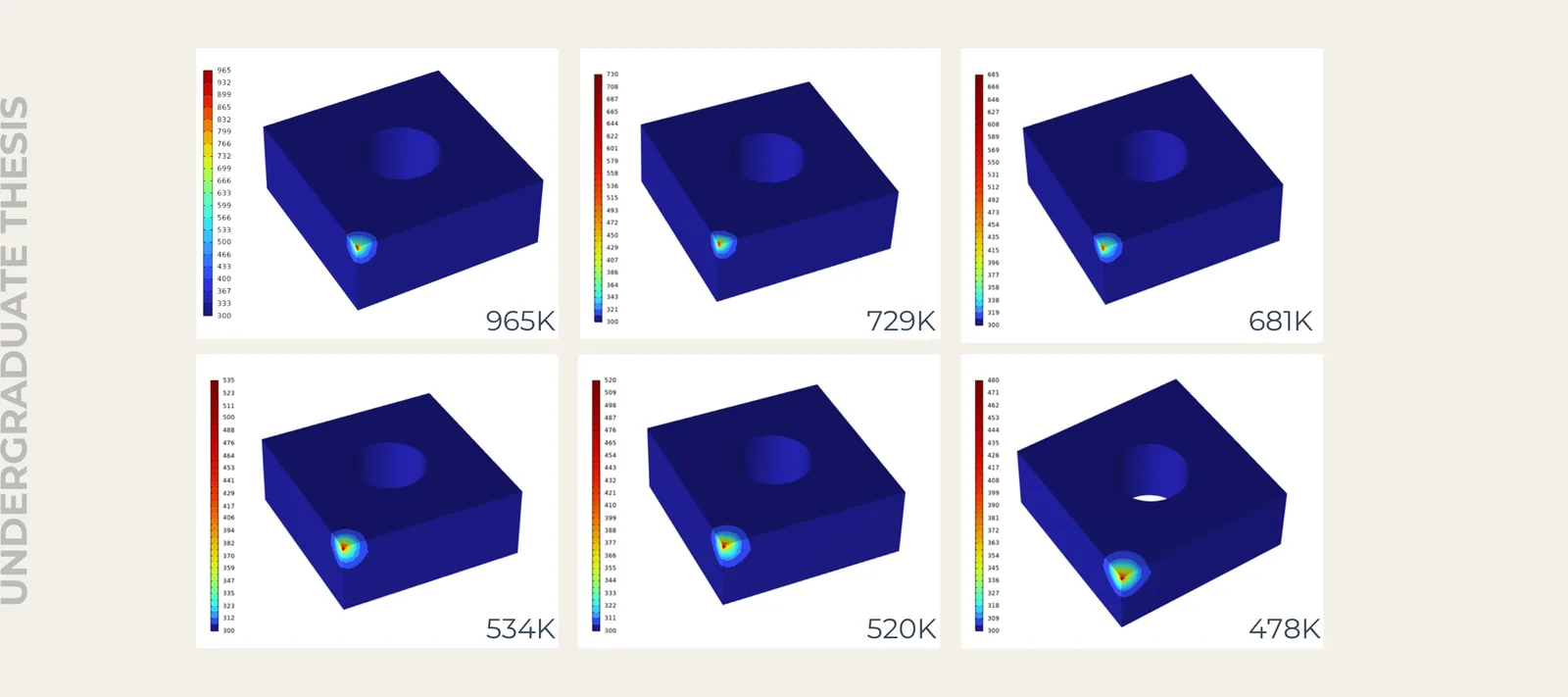
Optimized Thermal Dissipation of ISO SNGA 120408 Carbide Tool by Tuning Parameters: A Numerical Study
Heat Transfer
 Shahjalal University of Science and Technology
Exploring additive manufacturing, materials characterization and thermal management in advanced machining. Combining multi-physics simulation, control systems, and machine learning to bridge design, fabrication, and in-situ process control.

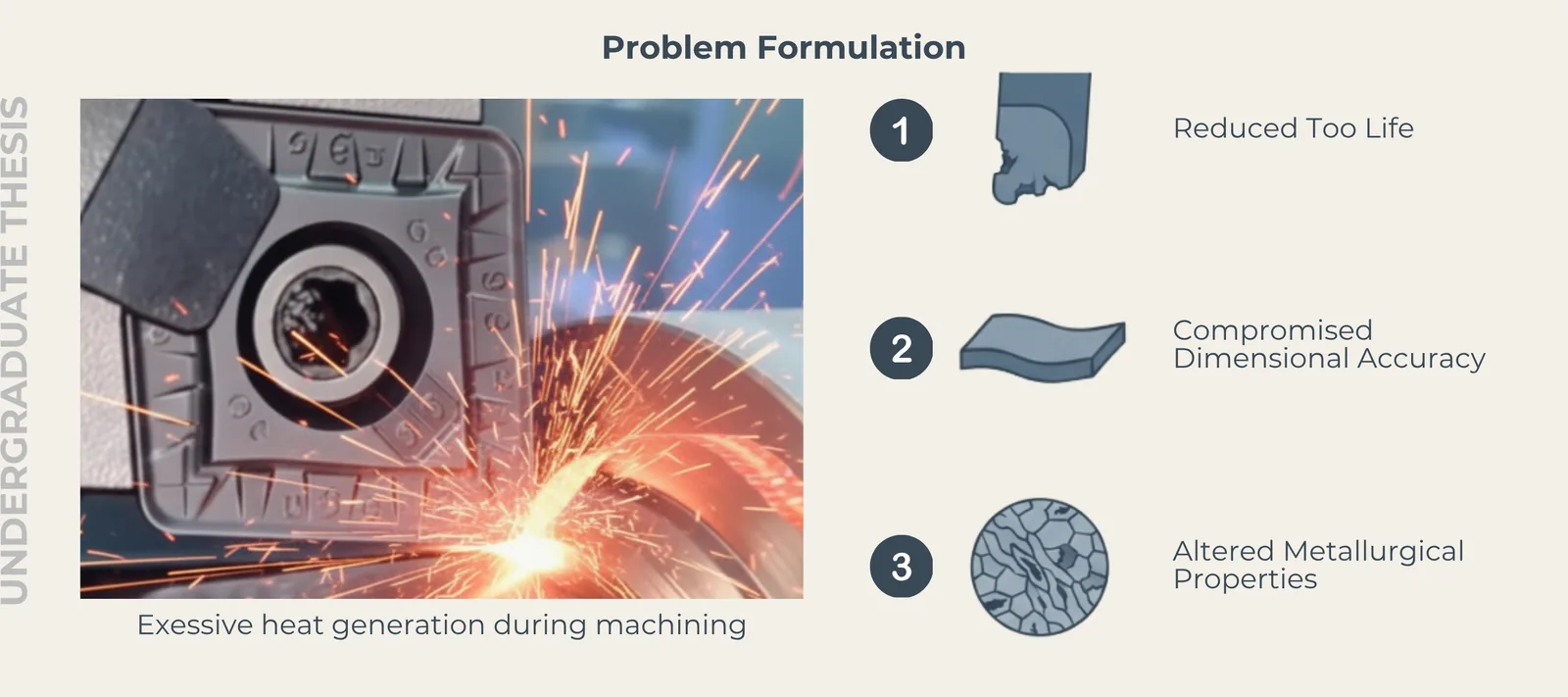
Paper published in Heat Transfer (Wiley): Optimized Thermal Dissipation of ISO SNGA 120408 Carbide Tool by Tuning Parameters. Read more (opens in a new tab)
Started as Technical Consultant for a government agency, working on CAD design and CFD species-mixing simulations. Read more
Preprint posted on SSRN: Thermal Performance of Carbide Tools with Optimized Textured Rake Surface Filled with Conductive Materials. Read more (opens in a new tab)
Heat Transfer
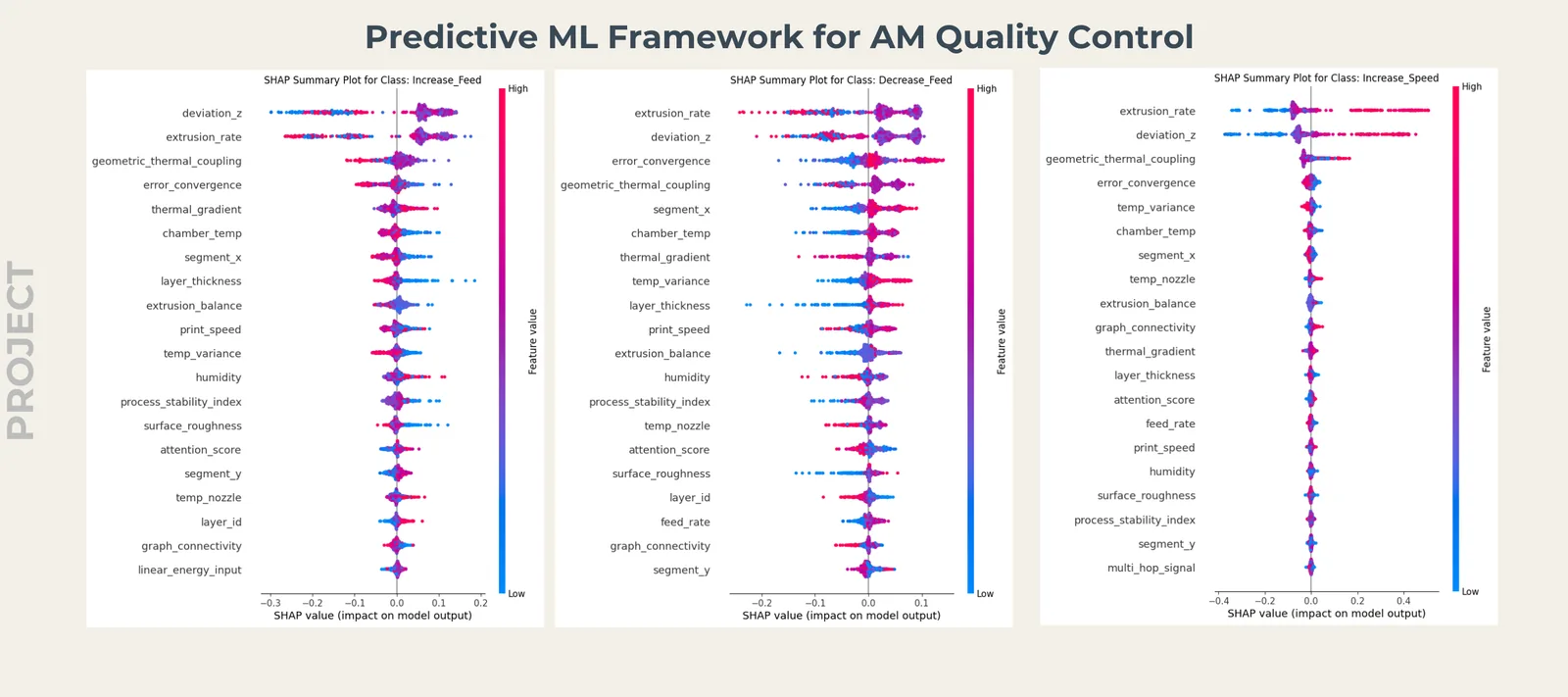
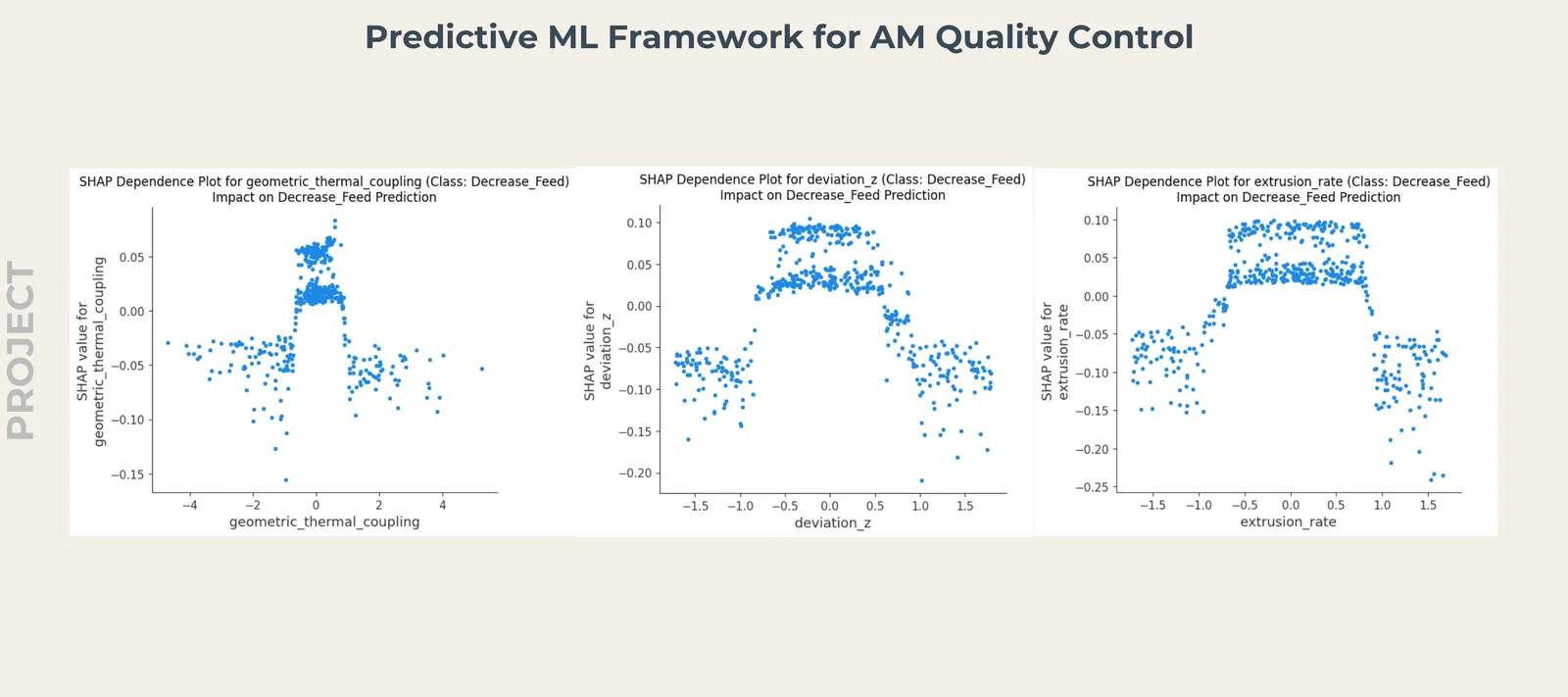
My research vision centers on closing the gap between computational design and physical fabrication in advanced manufacturing. While investigating thermal degradation in metal cutting, I demonstrated that embedding conductive architectures into cutting inserts could reduce peak temperatures by over 50%. However, conventional machining restricts the fabrication of such topology-optimized, multi-material geometries. This limitation redirected my focus toward additive manufacturing (AM) as an enabling platform to materialize computationally derived designs with tailored thermal, mechanical, and functional properties. My ultimate research goal in the long run is to focus on interdisciplinary collaborations across design, modeling, and fabrication, specifically in the development of novel smart materials enabled by hybrid additive manufacturing processes.